This work comes from experience, not observation.
17 years in higher education. Leadership at the first independent university to universally adopt AI. A First Amendment scholar's instinct for what's at stake.
HOW I GOT HERE
The thread that runs through everything.
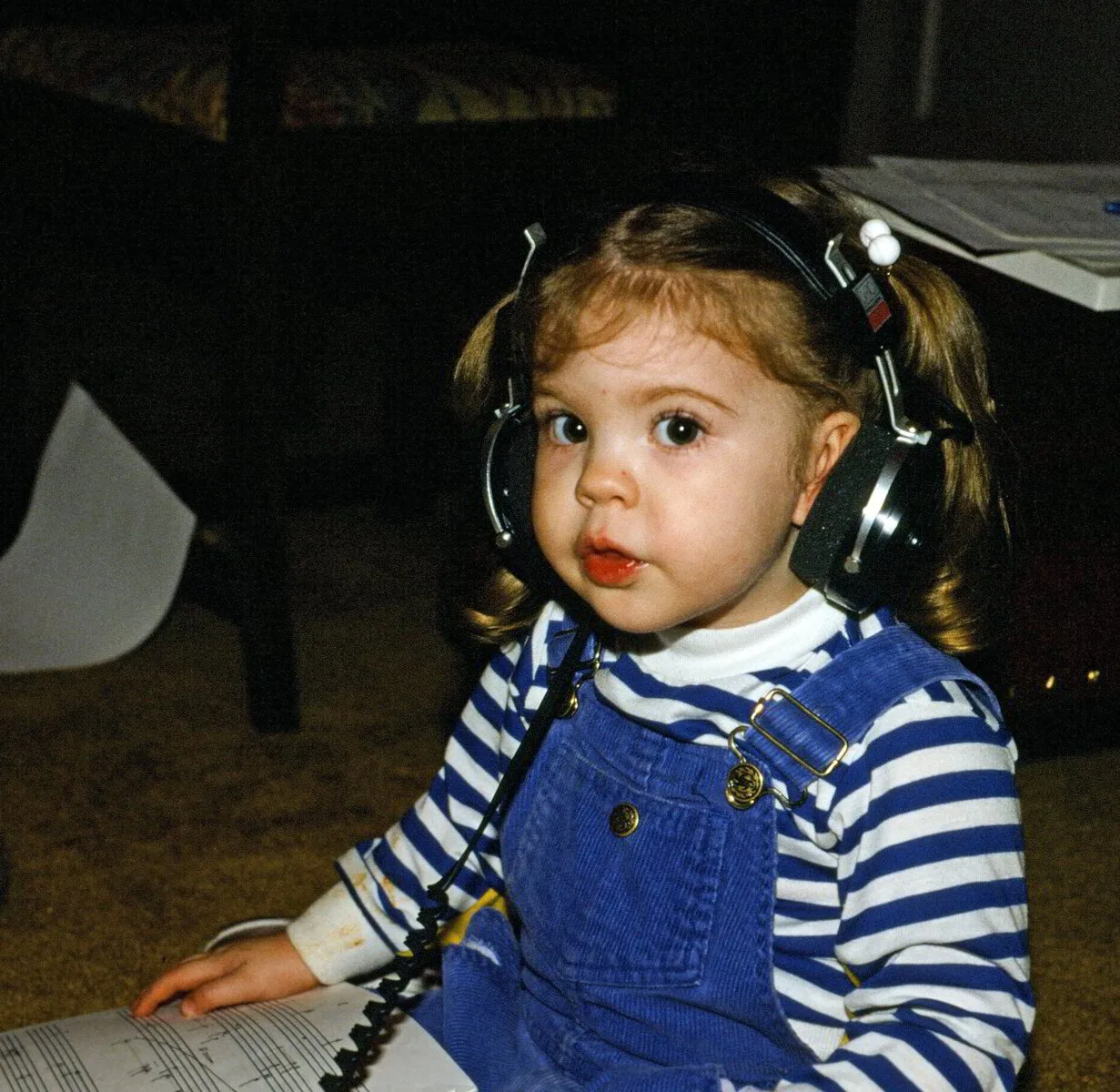
I grew up in a house where technology was never something to fear. My mother was a pioneer in electronic music —one of the few women exploring the frontiers of digital sound in an era when that was genuinely countercultural. Our home had an Apple II before most people knew what one was. I learned to code before Yahoo or Google existed.
Technology, in my house, wasn't a tool. It was a language. A way of seeing. A way of making things.
That shaped everything. I went on to study electronic media and film, earn an MFA, build an award-winning documentary, teach communication law and ethics, lead a school of communication, and eventually find myself at the center of one of the most consequential questions in higher education: how do institutions adopt AI in ways that strengthen what makes them distinct rather than erode it?
I didn't arrive at human-centered AI as a concept. I arrived at it through practice — by being the person inside an institution trying to figure out how to move faculty, staff, and students forward together, without leaving the mission behind.
The work.
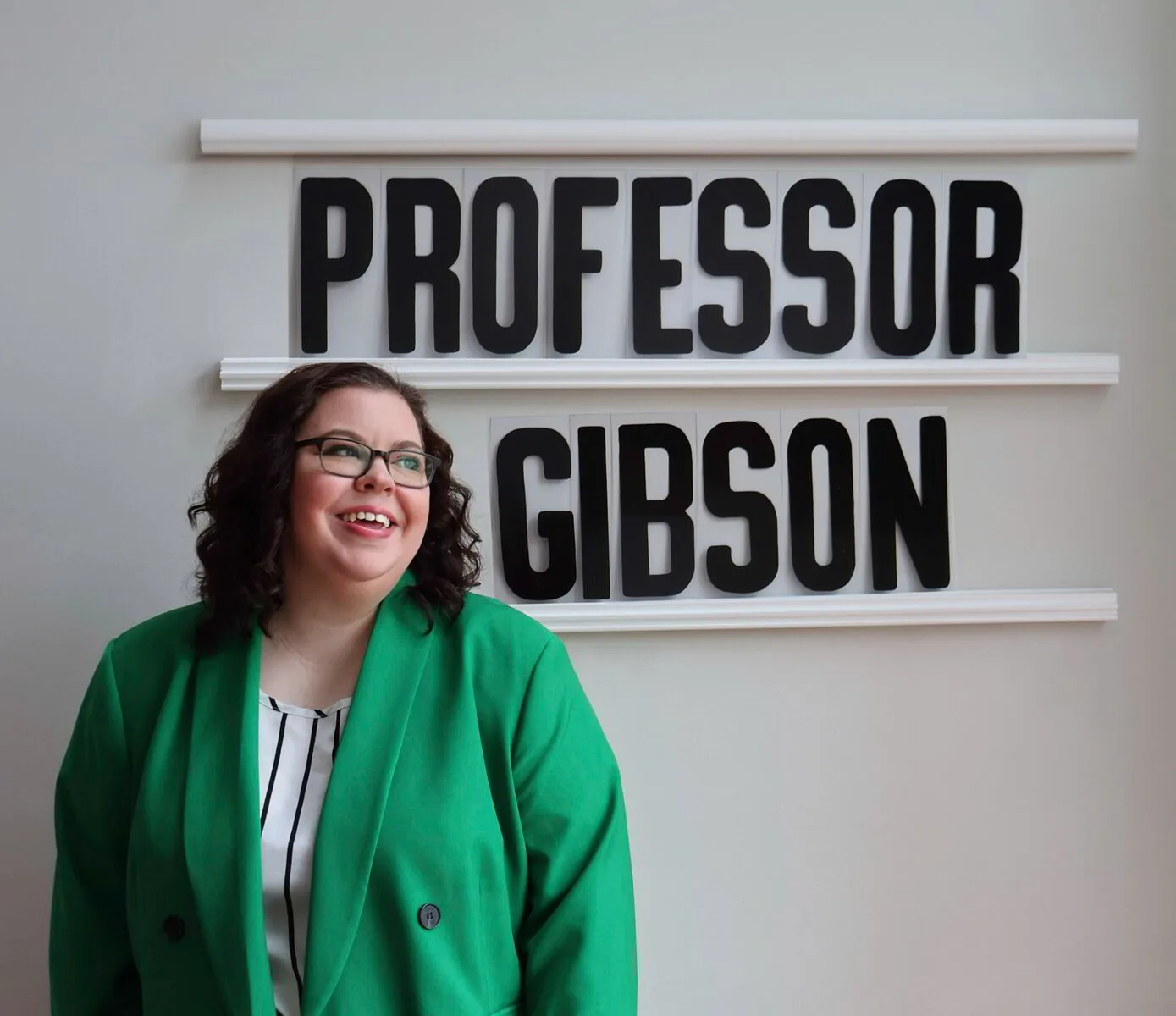
I serve as Director of the School of Communication and Faculty Fellow of AI at Lipscomb University, where I led the effort to make it the first independent university to universally adopt an AI tool for all faculty, staff, and students.
I'm a Senior Advisor to the Council for Independent Colleges, working nationally with institutions on AI adoption and strategy. I'm editor-in-chief of the Journal of Human-Centered AI: Creativity and Practice. I'm the author of Fear to Flourishing. And I'm the executive producer of AI and the Kid, a podcast co-hosted by my daughter — because this work is personal, not just professional.
My background is in communication law, First Amendment scholarship, and new media storytelling. That combination matters more than it might seem: I bring both the humanistic framework and the institutional experience. Theory without practice produces beautiful frameworks that don't survive contact with a faculty senate.
WHAT I KEEP COMING BACK TO
The things that don't change.
- Formation over information.
- Systems over tools.
- Ethics embedded in practice — not bolted on afterward.
I believe the institutions that will flourish in an AI-native world are the ones that lead from their values rather than react from their fears or based on pressure. I believe that kind of leadership is learnable.
WHY INDEPENDENT COLLEGES NEED THIS APPROACH
Independent colleges have the freedom to innovate but also face pressure to maintain their missions. Sarah's experience leading a grassroots adoption at Lipscomb proves that this model works for institutions with a clear identity and a commitment to human formation.
IN THEIR WORDS
What others have said.
Professor Gibson brings both passion and clarity to complex topics. She meets people where they are while helping them move forward with confidence.
This training was engaging, practical, and immediately useful. I left with a clearer understanding and real ways to apply it.
She has a unique ability to take complex ideas and make them accessible, while creating an environment where you feel supported to try something new.
I'd love to get to know you. Let's begin.
Every engagement begins with a complimentary discovery conversation.